Mold Removal in Country Club Estates, FL
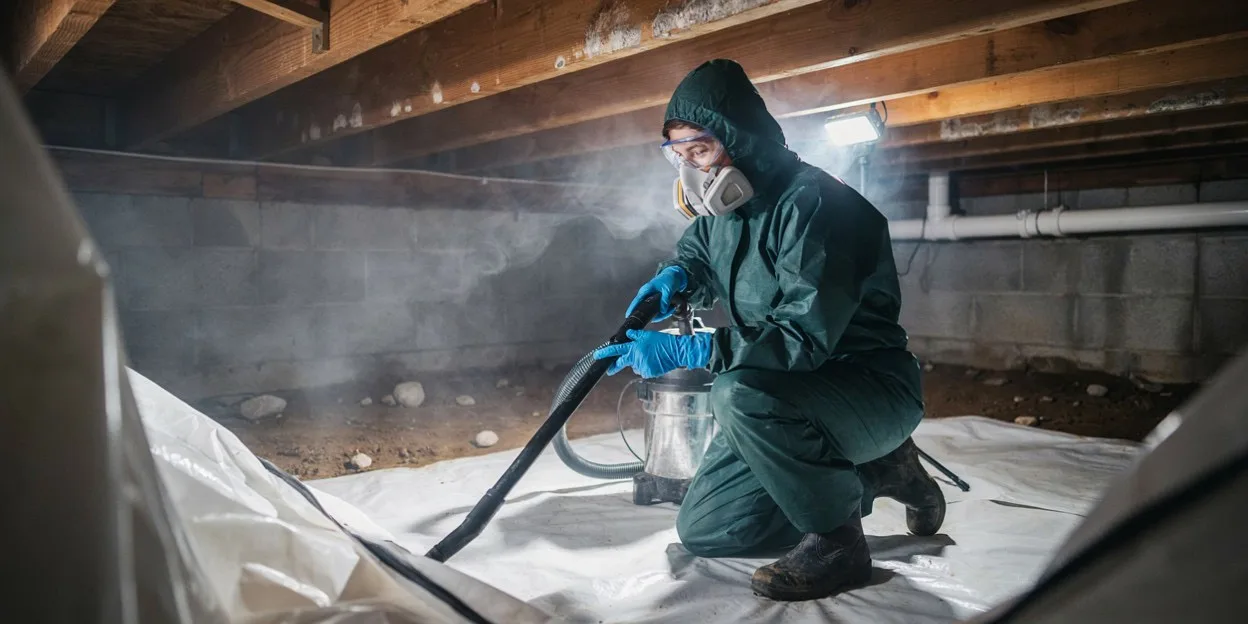
Country Club Estates is a Hudson neighborhood east of US-19 near the Beacon Woods golf course, one of the 1970s and 1980s subdivisions that filled the pasture between the highway and the Suncoast Parkway. The houses are block ranches and villas on slabs, most with a shallow attic, a shingle roof, a hall-closet air handler, and a screened lanai on the back.
The neighborhood is a couple of miles from the Gulf and did not take surge in Idalia or Helene. Its mold comes from inside and above: a duct sweating onto a ceiling in August, a roof patched around a vent stack, a lanai door that leaks in a west wind, or a bathroom that never had a working fan. In a house with one owner since 1978, some of those leaks have been running a long time.
Homeowners in Country Club Estates reach an independent local mold provider through this site's phone line. The provider reads the house and explains what it needs. The site sets up the call.
Country Club Estates mold removal, in the golf-course ranches
A dark patch on a bedroom ceiling under the low attic is black mold removal, treated by extent and moisture, and the crew looks above it for the duct or the nail. A sour smell at startup is HVAC mold cleaning. Growth along the wall by the lanai door is mold removal, with the track fixed before the wall is closed.
Where to call in Country Club Estates
Country Club Estates is unincorporated Pasco County, so permits for any drywall or plumbing going back go through the county's building office on the west side.
Call (727) 353-1690 to be connected with a local mold provider serving Country Club Estates.
Services Available in Country Club Estates
Mold Removal
Containment, negative air, and removal of wet drywall, baseboard, and insulation, then HEPA cleaning and drying down to the block.
Black Mold Removal
Dark growth handled by extent and moisture, not color: sealed room, porous material out, hard surfaces cleaned, source fixed.
Whole-Home Mold Remediation
A house that took surge water or sat closed all summer, mapped room by room, contained in zones, and cleared as one project.
Attic Mold Remediation
Growth on roof decking and trusses above a leak or a sweating duct, cleaned and treated with the roof or venting problem addressed.
HVAC Mold Cleaning
Coil, drain pan, condensate line, cabinet, and ducts cleaned or replaced when the musty smell rides in on the air handler.
Mold Odor Removal
Tracking a musty smell that outlasted the cleanup to the wet material behind it, removing that, then treating the air and surfaces.
Bathroom Mold Removal
Growth behind a vanity, under a tub, or in a ceiling that never dries, removed with the leak or the exhaust problem fixed first.
Mold Damage Repair
Drywall, trim, cabinet bottoms, and flooring put back after removal, only once the slab and block read dry and the source is fixed.