Mold Removal in New Port Richey, FL
New Port Richey is the largest city on this coast, built along the Pithlachascotee River with a 1920s downtown, 1950s and 1960s block neighborhoods around it, and the canal-front subdivisions of Gulf Harbors and Sea Forest on the west side. The river floods from rain and the canals flood from the Gulf, so the city gets water from two directions.
Helene's surge on September 26, 2024, damaged as many as 2,000 homes in and around the city, and in some neighborhoods the water that came in was mixed with sewage from an overwhelmed system. Two weeks later, Milton's rain sent the river over its banks. A house that took salt water in September and river water in October, then was dried once, is a common story here.
Homeowners in New Port Richey reach an independent local mold provider through this site's phone line. The provider reads the house and explains what it needs. The site sets up the call.
New Port Richey mold removal, river side and canal side
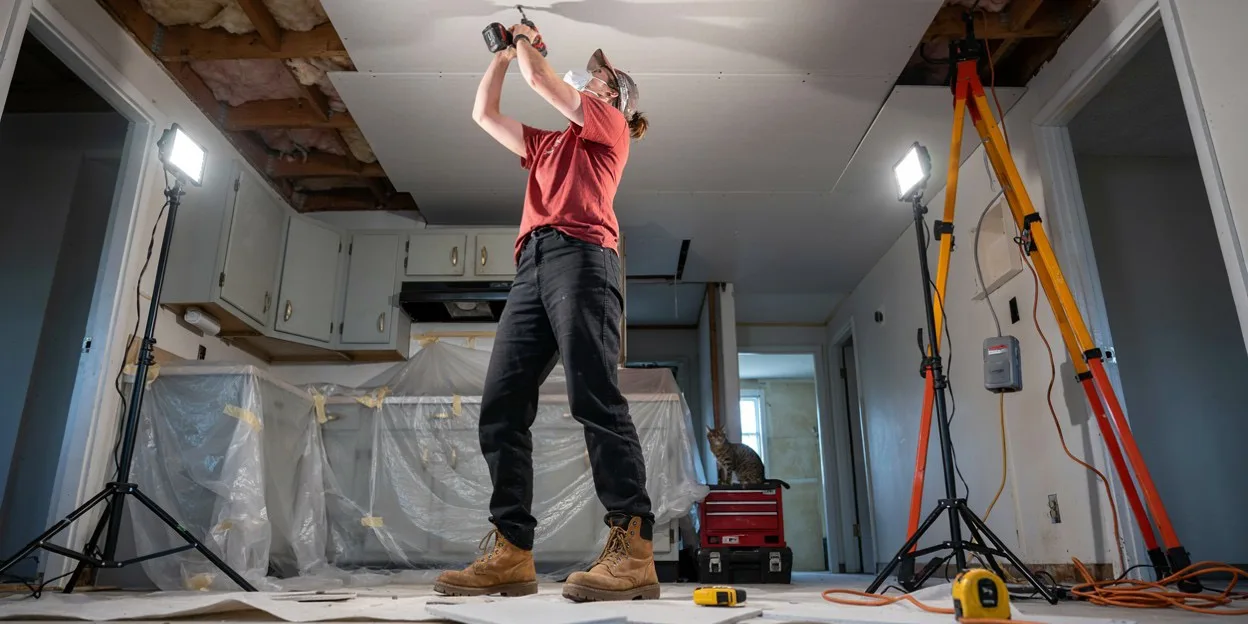
A house that flooded twice and was dried once usually needs mold removal on the walls the rebuild covered too soon, and sometimes whole-home mold remediation when it is every wall on the ground floor. A home that stayed dry but smells musty when the air conditioning runs is an HVAC mold cleaning call. Once the block reads dry, mold damage repair puts the drywall back, with a permit.
Where to call in New Port Richey
Inside the city, permits for drywall, plumbing, and electrical run through the city's Building Division rather than Pasco County, and the city reviews flood-zone rebuilds for substantial damage. Morton Plant North Bay Hospital, founded in 1965, is west Pasco's only not-for-profit community hospital and sits a few blocks from the river.
Call (727) 353-1690 to be connected with a local mold provider serving New Port Richey.
Services Available in New Port Richey
Mold Removal
Containment, negative air, and removal of wet drywall, baseboard, and insulation, then HEPA cleaning and drying down to the block.
Black Mold Removal
Dark growth handled by extent and moisture, not color: sealed room, porous material out, hard surfaces cleaned, source fixed.
Whole-Home Mold Remediation
A house that took surge water or sat closed all summer, mapped room by room, contained in zones, and cleared as one project.
Attic Mold Remediation
Growth on roof decking and trusses above a leak or a sweating duct, cleaned and treated with the roof or venting problem addressed.
HVAC Mold Cleaning
Coil, drain pan, condensate line, cabinet, and ducts cleaned or replaced when the musty smell rides in on the air handler.
Mold Odor Removal
Tracking a musty smell that outlasted the cleanup to the wet material behind it, removing that, then treating the air and surfaces.
Bathroom Mold Removal
Growth behind a vanity, under a tub, or in a ceiling that never dries, removed with the leak or the exhaust problem fixed first.
Mold Damage Repair
Drywall, trim, cabinet bottoms, and flooring put back after removal, only once the slab and block read dry and the source is fixed.